A plain explanation of how seasonal cottage ownership works in Ontario, what it costs, and how it differs from owning a traditional cottage.
A seasonal cottage is a fully furnished holiday home that you own outright, placed on a site you lease at a private resort. You buy the cottage; you pay an annual fee for the site it stands on and for the running of the resort around it.
In Ontario these resorts open on 1 May and close on 31 October, a season of twenty six weeks. The cottage stays on its site over the winter, and you return to it the following spring.
This is the part that surprises people, and it is the whole basis of how seasonal ownership works. The cottage itself is yours. You buy it, you can furnish it as you like, and you can sell it on. What you do not buy is the land underneath it.
Instead you pay an annual fee to the resort for the site. That fee is what makes the arrangement affordable: you are not paying for a piece of waterfront, which is what puts a traditional cottage out of reach for most families.
It also means the price you see is the price of a building, not a property. A new cottage at one of the Bloom resorts starts at $149,900 plus HST. A comparable traditional cottage on owned waterfront in the same part of Ontario would be several times that.
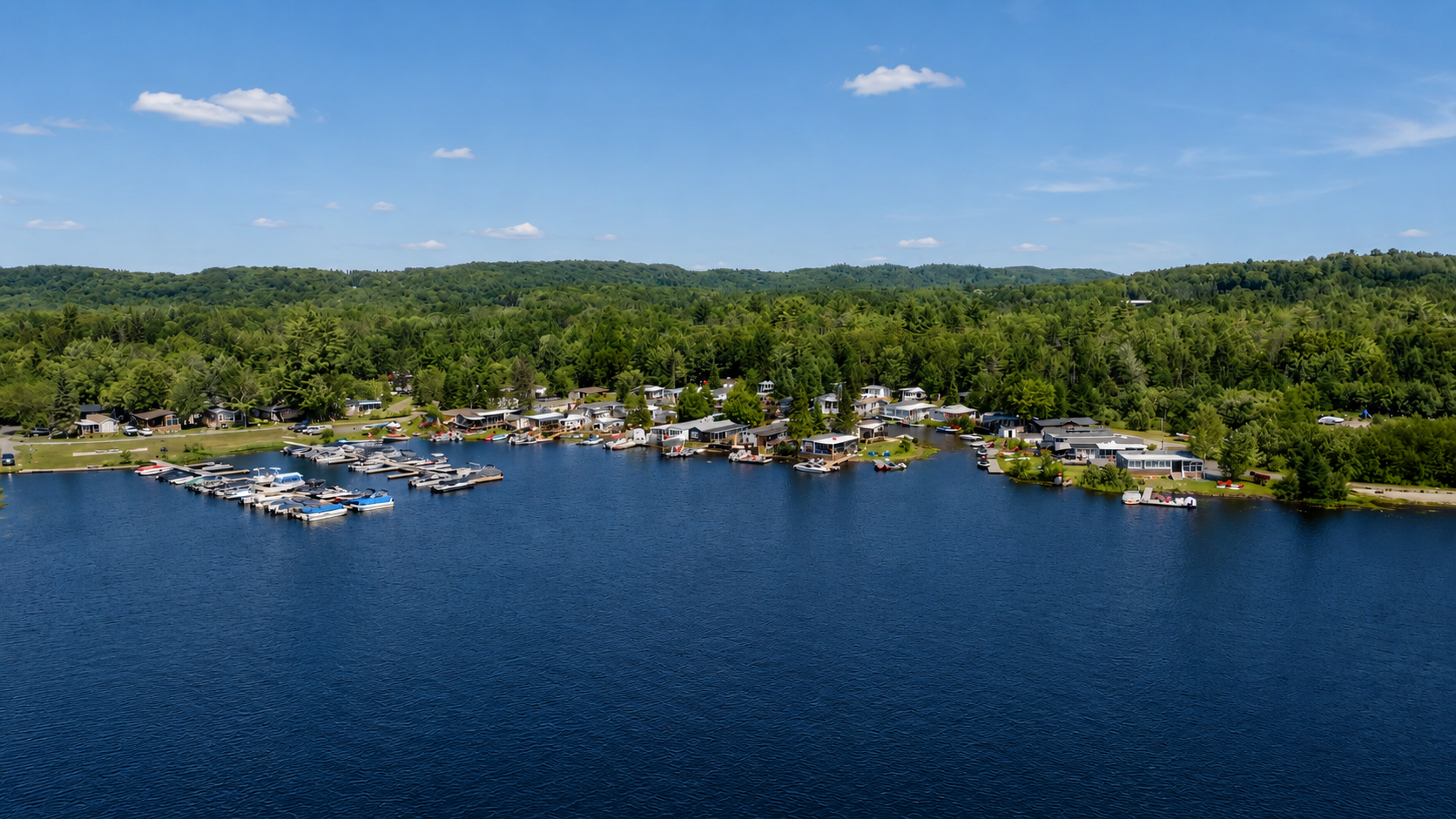
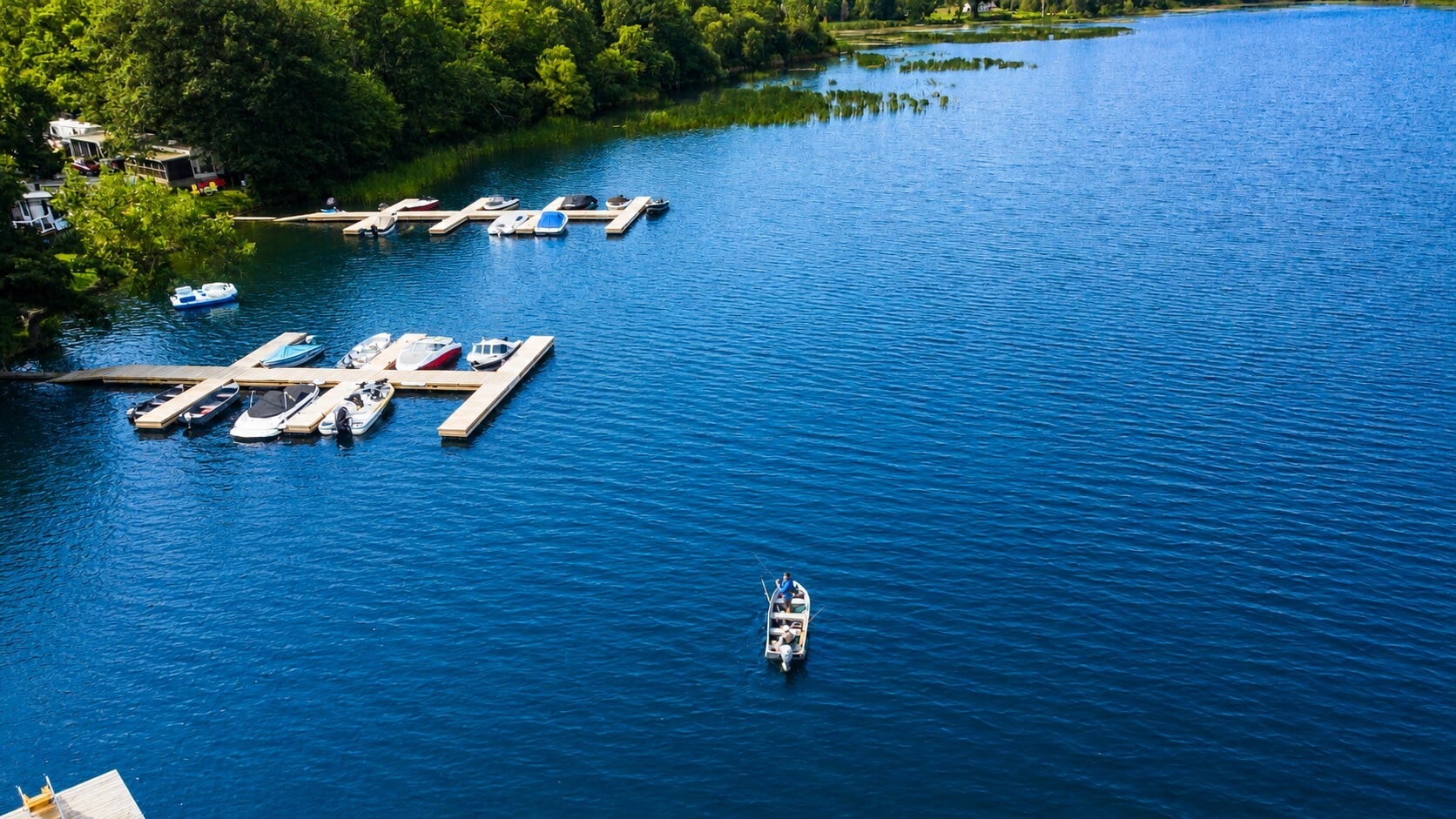
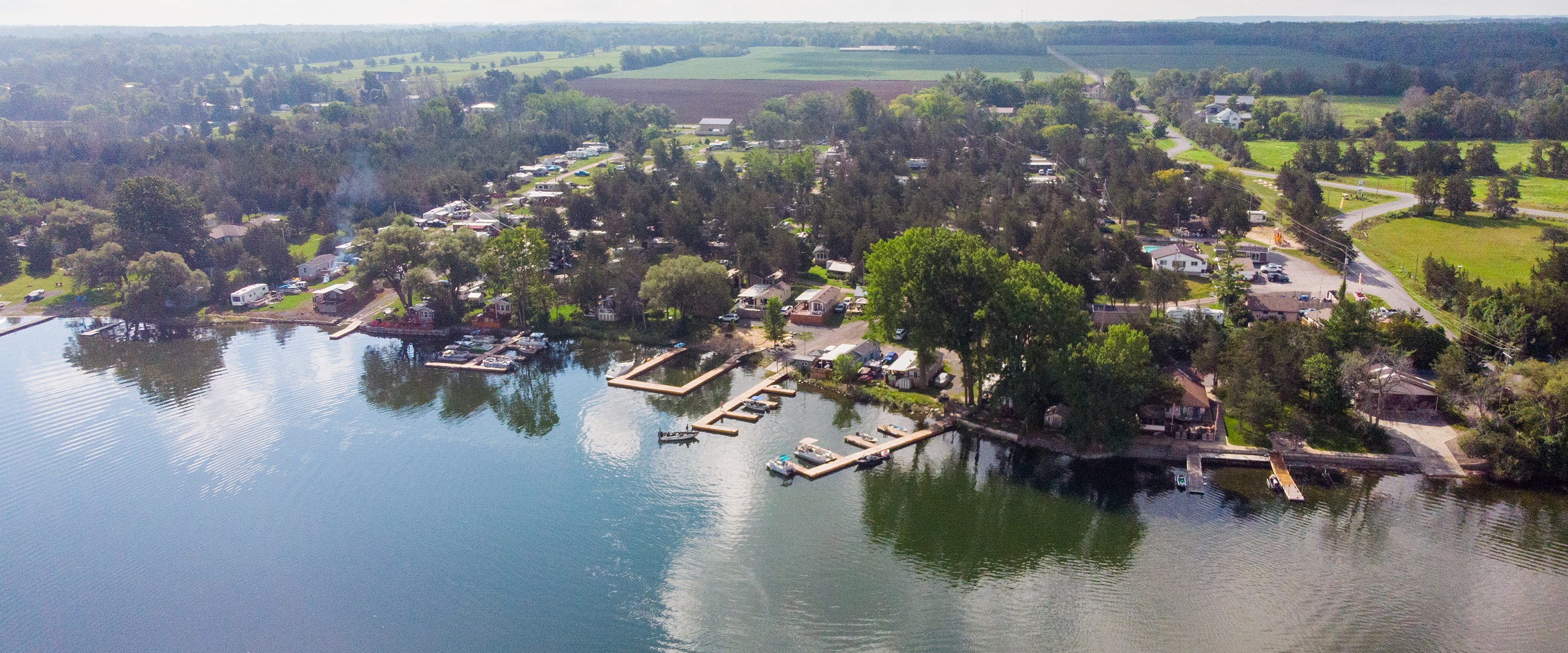
Seasonal resorts are open for twenty six weeks of the year. They close at the end of October and reopen at the start of May. Within that season you can come and go as you like, for a weekend or for the whole summer.
The reason is practical. Resorts on lakes in Ontario would need year round water, septic and road maintenance to stay open through winter, and the cottages themselves are built for three season use. Keeping to a season is what holds the annual fee where it is.
If you want somewhere you can use in January, a seasonal cottage is the wrong product, and we would rather tell you that now. Sunday Place is the exception we work with: all season homes on a land lease, open all year.
This is the number that matters most, and it is the one that differs most between resorts. Always ask what a given fee includes before comparing it with another.
As an example of how much this varies: at Sandbanks the fee includes water, sewer, waste and pump outs, while at Georgian Bay utilities are billed on top. Two fees that look similar can mean quite different annual costs. The buyers guide sets all eight resorts out side by side.
Annual fees, plus HST, varying by resort and by lot. Premium and waterfront sites cost more.
The two things that stop most families buying a cottage are the price and the work. Seasonal ownership removes a good deal of both, and gives up some things in return.
We put the depreciation point in plainly because it is the honest difference. A seasonal cottage is bought to be used, not as an investment. Families who want an asset that grows in value should buy land. Families who want twenty six weeks by the water without losing their weekends to maintenance are the ones this suits.
These terms get used interchangeably and they are not the same thing.
The cottages we sell are built by General Coach and Northlander Industries, two Ontario manufacturers. They are delivered complete, placed on a site, and connected to services. In the industry they are usually called park models.
A park model is not a recreational vehicle. It is not towed behind a car, it does not have its own engine, and once it is sited it stays there. It is built to be lived in for a season rather than driven.
It is not a mobile home either, in the sense most people mean. Mobile homes are usually year round dwellings on land lease communities, insulated and serviced for winter. A seasonal cottage is built for three season use.
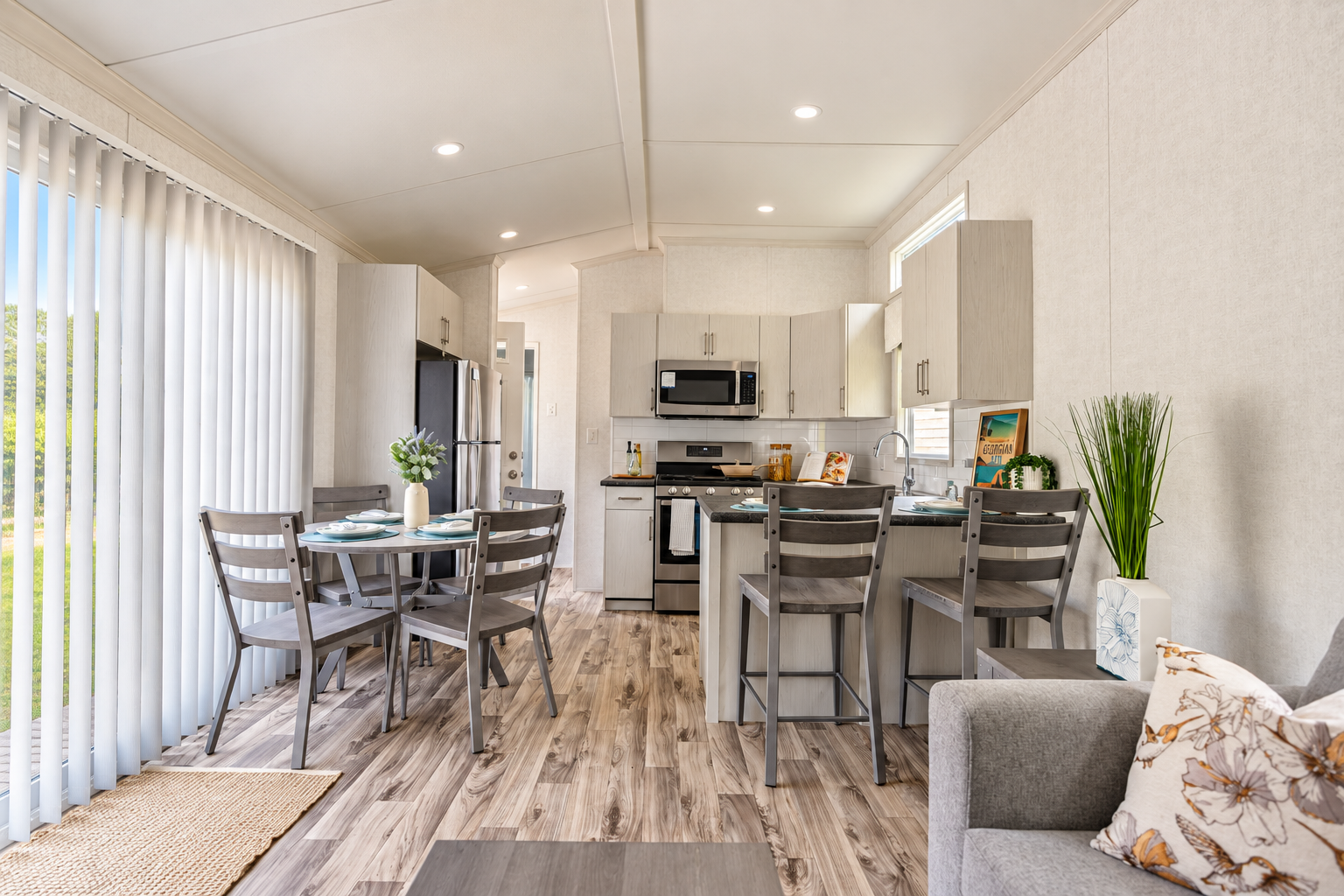
Inside, the ones we sell run from 467 to 820 square feet, with one to three bedrooms, a full kitchen and a proper bathroom. They arrive furnished. The cottages for sale page shows what that actually looks like.
You own it outright. It is your property, you can furnish and use it as you like, and you can sell it. What you lease is the site it sits on, through an annual agreement with the resort.
At Vine Ridge Resort, yes. It is currently the only resort we work with that allows owners to rent their cottage out, and it runs a managed rental programme to handle it.
The Bloom resorts are owner use only. That is a deliberate policy rather than an oversight, and it is one of the things existing owners value most. Everyone on the resort is an owner, you see the same families each season, and the children make friends they come back to year after year. Resorts that allow short term rentals feel different, with a changing set of strangers each weekend.
Yes. Every seasonal cottage can be sold on. Most are sold where they stand, with the buyer taking over the site, which is how the pre-loved cottages we list come to market.
Bear in mind the point above about depreciation: a seasonal cottage is not expected to sell for more than you paid, in the way a house might. Talk to us about what a realistic figure looks like for your cottage and resort.
It stays on its site. The resort closes at the end of October, the cottage is winterised, and you return to it in May. Nothing is moved or stored.
Yes. Financing on new cottages at the Bloom resorts is available from 6.99% OAC over twenty years, with a deposit of 20 per cent of the price including HST. Pre-loved cottages at Vine Ridge are usually financed over ten years. Approval and rate depend on credit, deposit and term.
No. It is set by the resort, varies by lot, and is reviewed periodically. Ask for the current fee on the specific lot you are considering rather than working from a headline figure, and ask what it includes.
A new cottage starts at $149,900 plus HST, or $33,900 down with financing. Pre-loved cottages at Vine Ridge start at $64,900 plus HST. On top of the purchase you should budget for the annual site fee, hydro, insurance, and decking and steps on a new cottage.
Not at a seasonal resort. They close for the winter and the cottages are built for three season use. If year round living is what you are after, Sunday Place is a land lease community of all season homes that stays open all year.